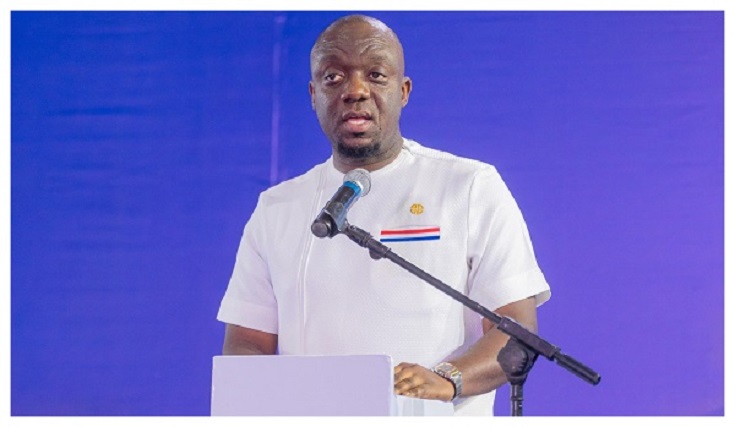
The recent 2024 elections have concluded, unveiling significant results that are set to shape the political landscape in the coming years. With votes tallied and officials declared, both parties are analyzing outcomes to strategize for future engagements.
As the nation reflects on these results, key trends have emerged that may influence legislative agendas and voter sentiments. The electorate showed a diverse range of preferences, with various states leaning towards different parties, indicating a fragmented political climate.
In the aftermath, political analysts are diving deep into the data, assessing how demographic shifts and voter turnout affected the outcomes. The implications of these elections extend beyond immediate results, as they may redefine alliances and campaign strategies ahead of the next election cycle.
Furthermore, discussions around pivotal issues such as healthcare, education, and economic policies are expected to gain momentum, as newly elected officials prepare to address the concerns of their constituents.
The focus now shifts towards how these results will influence governance and what steps lawmakers will take to align with the expectations of the electorate. As we approach this new political chapter, the engagement of voters will remain crucial in shaping policy and leadership.