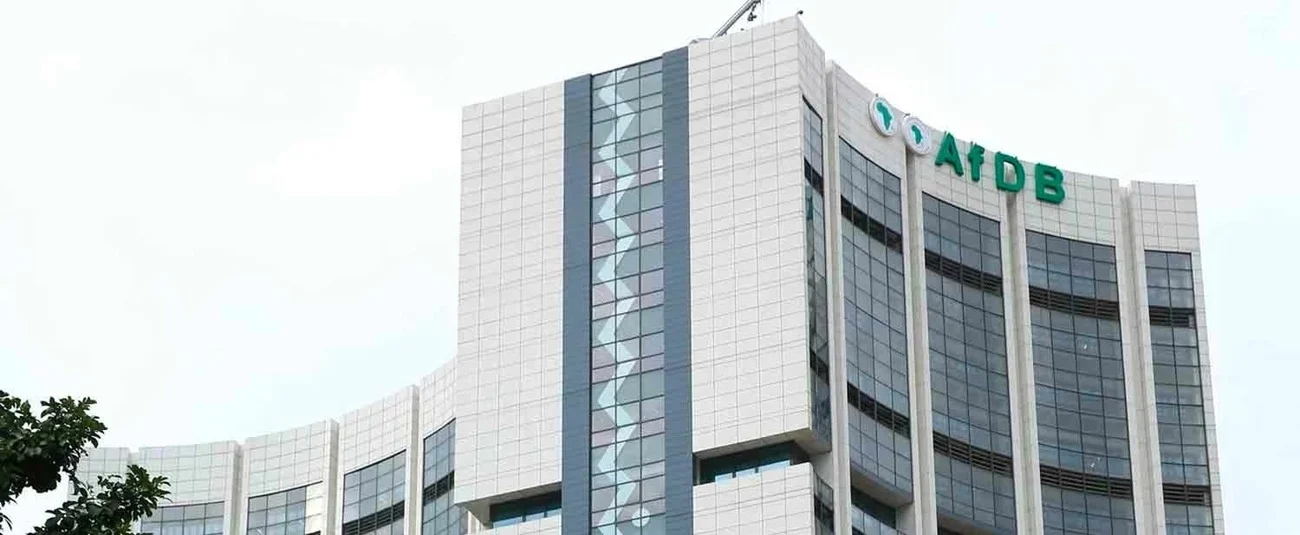
The African Development Bank (AfDB) has given the green light to a significant investment of $3.9 million, earmarked for a two-year initiative designed to promote electricity accessibility across the continent. This venture, named AESTAP Mission 300 Phase II, aims to assist 13 African nations in executing essential reforms within their energy sectors.
This project is part of the broader Mission 300 initiative, a collaborative effort between the AfDB and the World Bank, which seeks to ensure that 300 million people gain access to electricity by the year 2030. The AfDB emphasizes that this initiative is focused on moving from mere policy declarations to tangible outcomes by facilitating the realization of National Energy Compacts, which outline governmental strategies for expanding electricity access and attracting private investment.
Over the past year, numerous African countries have made strides by launching Energy Compacts, bolstered by firm political support and commitments from international development partners. Nevertheless, the AfDB highlights that the next critical challenge lies in converting these strategic plans into actual electricity connections.
In a recent announcement, the AfDB detailed that the AESTAP Mission 300 Phase II project will provide practical assistance to governments in refining electricity regulations, enhancing planning frameworks, and restructuring tariffs to make the sector more appealing to investors. Additionally, this initiative will work towards reinforcing the capabilities of electricity utilities to deliver consistent power supply, mitigate system losses, and elevate overall operational efficiency.
The project is set to promote better data collection, research initiatives, and knowledge-sharing among nations through resources like the Electricity Regulatory Index and regional energy forums. A key component of this initiative involves embedding expert advisers within national Compact Delivery and Monitoring Units, which will aid governments in synchronizing reforms across various ministries and effectively monitoring progress.
The countries slated to benefit from this support include Chad, Gabon, Tanzania, Mauritania, the Democratic Republic of Congo, Kenya, Nigeria, Madagascar, Ethiopia, Malawi, Lesotho, Namibia, and Uganda. The AfDB anticipates that this assistance will facilitate the transformation of documented energy strategies into actual electricity connections for residential homes, educational institutions, healthcare facilities, and businesses.
The AfDB emphasized that these nations have made significant commitments through their energy compacts, and AESTAP Mission 300 Phase II aims to assist them in fulfilling these promises, thereby ensuring that more households, businesses, and communities gain access to electricity.
This recent approval follows the successful endorsement of AESTAP Mission 300 Phase I in December 2025, which allocated approximately $1 million to help countries establish and operationalize their Compact Delivery and Monitoring Units. Phase I laid the groundwork by enhancing the capabilities of these units through staff training, the development of monitoring tools, and support for government planning of future reforms. The AfDB asserts that Phase II will build on these achievements by delivering the necessary technical assistance to implement the proposed reforms.
In conclusion, Phase II will be executed in conjunction with other partners involved in Mission 300, including the World Bank, national governments, and various development organizations, ensuring a united approach to enhancing electricity access across Africa.