
https://i.ytimg.com/vi/zQvYL88cv6k/maxresdefault.jpg
Fidelity Bank founder Edward Effah says Ghanaian banks have more money to lend than there are bankable projects, blaming gaps in business know-how and a volatile economy for cautious lending.
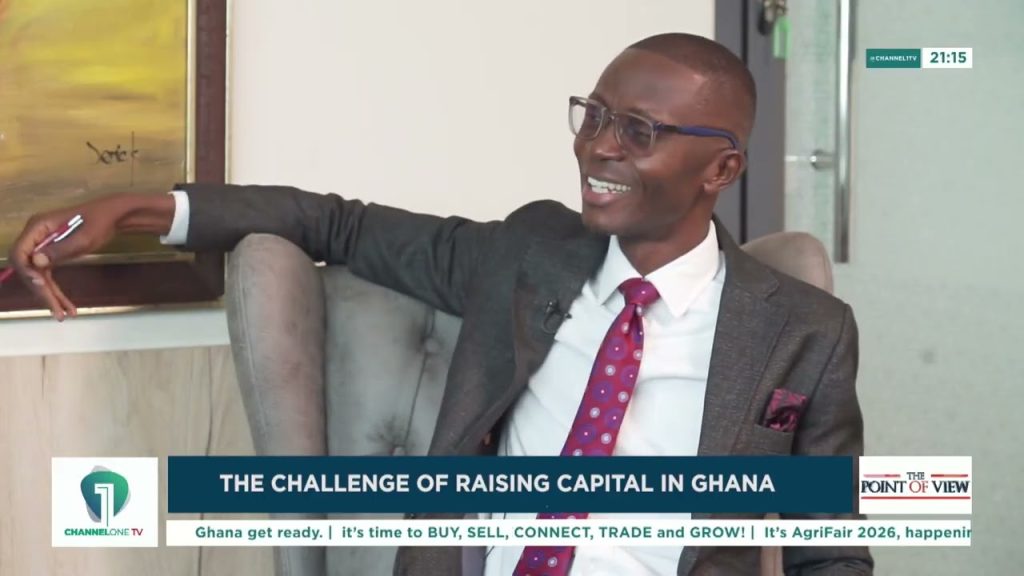
Ghanaian banks have money available to lend but are finding too few businesses with projects strong enough to finance, according to Edward Effah, founder of Fidelity Bank.
Mr Effah said many businesses did not have the skills needed to put together bankable proposals or to satisfy the conditions lenders set, so credit stays out of reach even when banks have funds to spare.
He made the comments on Monday, November 9, 2026, during an interview with Bernard Avle on Channel One TV's The Point of View, as first reported by Citi News.
"I think capital is not the problem. Know-how in accessing capital, I think, is the problem," Mr Effah said.
Also read: KKD Urges Ghana to Treat Fashion as an Engine for Tourism and Jobs
He told the programme that over the past decade, banks across the industry had consistently had more capital to deploy than the number of qualifying proposals reaching them.
Deposits going into government securities
According to Mr Effah, the average loan-to-deposit ratio among banks stands at roughly 50 per cent. He said this meant a large share of customer deposits was being placed in government securities and other assets instead of being lent to businesses.
He argued that banks would prefer to lend, since loans are a key source of their income.
"If banks had good, viable projects, they would invest more of that and less in government securities because, after all, we make money when we lend," he said.
Economic shocks and caution
Mr Effah, however, conceded that banks had grown more careful about granting credit because of continuing problems with non-performing loans and the unstable state of the Ghanaian economy.
He pointed to the Domestic Debt Exchange Programme (DDEP), the energy crisis, the crisis in the banking sector and the repeated fall in the value of the cedi as events that had shaped how banks operate and decide on loans.
Looking back on two decades of Fidelity Bank's operations, he gave figures on the losses the bank had absorbed from some of these shocks.
"DDEP, we had to write off 1.4 billion for just holding government securities. In 2016, we had the energy crisis; we had to write off another billion cedis," he said.
He added that changes in regulation and disruption from new technology had also made it more important for banks to weigh lending risks carefully.
What lenders look for
Mr Effah said banks must strike a balance between their role in funding businesses and the need to safeguard their investments, manage risk and stay profitable.
He listed the viability of a project, the credibility of the people behind it and the strength of its business plan as some of the main factors banks consider when deciding whether to grant financing.
Source: Citi News. This story was prepared with the help of AI from that reporting, and checked by our editors.





Comments
Sign in to join the conversation.