Corporal punishment, which typically involves adult-inflicted physical discipline on children, was officially abolished in South Africa in 1997. This decision followed a landmark ruling by the Constitutional Court in 1995, where the chief justice condemned the practice as “cruel, inhuman, and degrading,” deeming it unnecessary.
Despite this legal prohibition, anecdotal evidence suggests that corporal punishment continues to be a common practice in many schools and homes across the nation. Educational psychologist Simangele Mayisela conducted a comprehensive study as part of her doctoral research in 2017, focusing on the reasons why some educators and parents, as well as children themselves, perceive physical discipline as effective and harmless.
Mayisela’s research involved observations and interviews at a rural public school situated in an economically disadvantaged area, aiming to uncover the historical and socio-cultural factors that sustain corporal punishment. She sought to understand how the childhood experiences of teachers and their cultural backgrounds informed their use of punitive measures, and how such practices could impact children’s development.
Notably, under the apartheid regime’s oppressive educational policies, known as “Bantu Education,” corporal punishment was extensively employed. Even after the establishment of a democratic South Africa in 1994, the practice persisted. Mayisela’s observations revealed a deeply ingrained belief among educators regarding the necessity of corporal punishment.
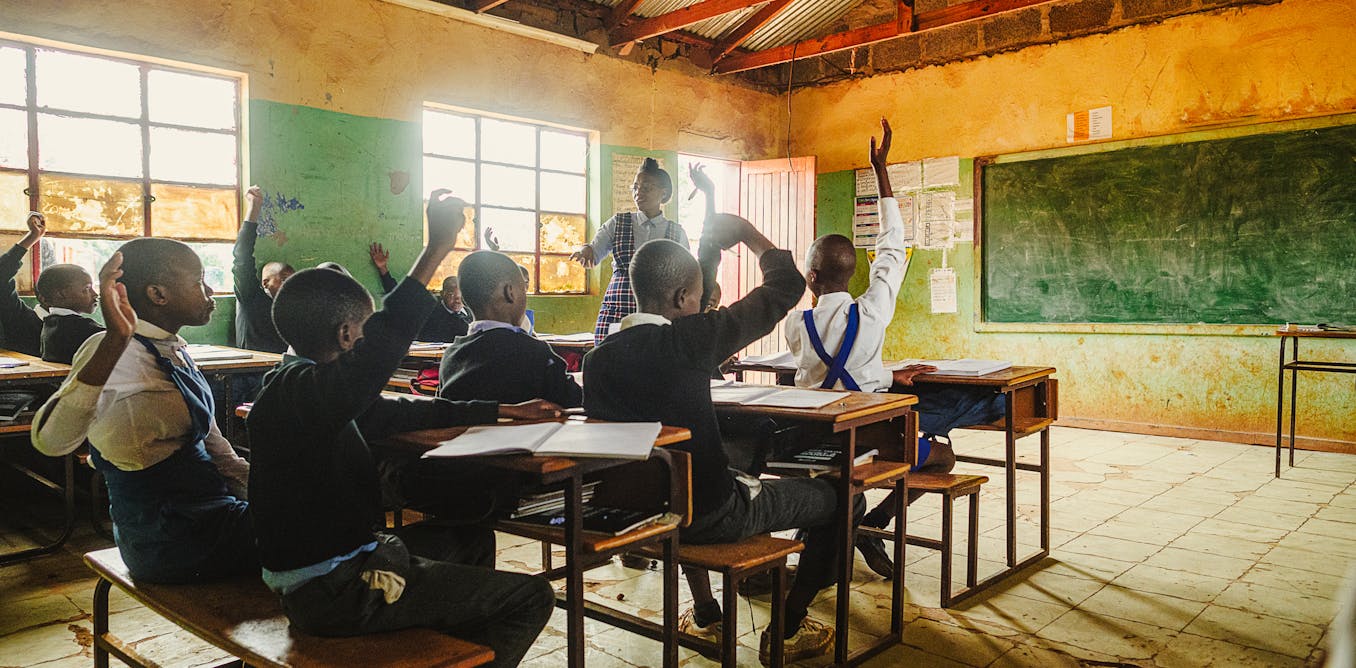
During a fourth-grade social science lesson, a student spoke out of turn, prompting the teacher to threaten him with a beating after class. This incident highlighted the normalization of physical punishment, which was further reinforced during community meetings advocating for punitive measures against children for minor infractions.
In her focus groups, Mayisela found that many educators, both current and retired, shared experiences of having been beaten as children, viewing it as an integral part of their upbringing. They expressed gratitude towards their teachers for the discipline they received, associating their academic achievements with the physical punishment they endured. One teacher described it as the very tool that shaped their identity, while another recounted the fear instilled by teachers who wielded punishment as a means of control.
Interestingly, some educators referred to corporal punishment as “sweets,” suggesting a perverse association with reward rather than retribution. This perspective blurred the lines between teaching, learning, and punishment, with many teachers believing that physical discipline was essential for maintaining focus and discipline among students.
The study illuminated how all generations of educators accepted corporal punishment as a cultural norm, often laughing off their own experiences of humiliation. Participants articulated a belief that children must be raised with discipline enforced by physical means, and some children internalized this belief, asserting that they deserved punishment for their actions.
The reliance on corporal punishment has led to the perception of it as a typical method of child-rearing within the community. However, this approach primarily generates compliance through fear rather than fostering a genuine understanding of moral behavior, potentially stunting cognitive and emotional development.
The detrimental effects of corporal punishment were evident, with many children failing to learn problem-solving skills or self-regulation. For instance, two siblings from a child-headed household faced daily beatings for tardiness, yet they expressed a lack of understanding of how to address their lateness, instead attributing it to simply waking up late.
Ultimately, the continued use of corporal punishment in South African schools creates significant barriers to learning and personal growth, denying children the opportunity to cultivate the knowledge and experiences necessary for adulthood.