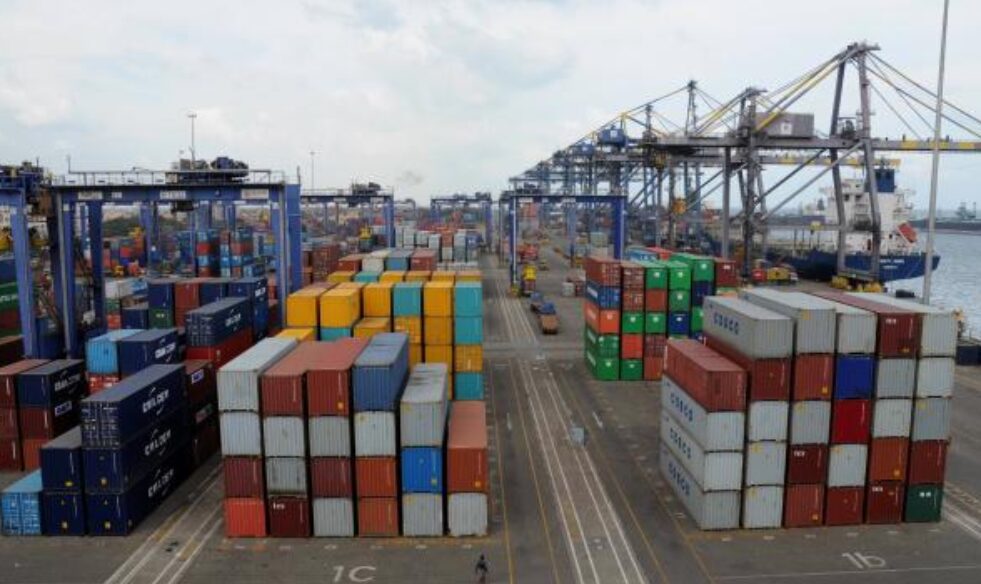
The Food and Beverages Association of Ghana (FABAG) has strongly contested assertions made by the management of Tema Port regarding the resolution of operational challenges in the bulk and bagged cargo sector. In a statement released on January 5, 2026, FABAG described the current conditions at the port as deteriorating significantly, directly contradicting claims of improvement.
Members of FABAG report ongoing severe disruptions that have led to what they characterize as the worst performance in the bulk and bagged cargo sector in over two decades. The association expressed that the decline in operational efficiency represents a serious threat to both manufacturing processes and food supply chains across the country.
Data highlighted by FABAG indicates a dramatic decline in labor productivity, with vessels currently unloading an average of merely 200 metric tonnes per day. This is a stark contrast to the 2,000 metric tonnes daily average seen in previous years, marking a staggering 90 percent reduction. Such a decrease poses significant repercussions for importers, manufacturers, and consumers alike.
The introduction of a 24-hour shift system at the port has not led to the expected improvements, according to the association. FABAG attributes the ongoing inefficiencies to a combination of low worker morale, inadequate staffing levels, and unresolved labor issues. These factors have contributed to increased vessel turnaround times, prolonged delays in berthing, and inconsistent cargo offloading schedules.
As a result of these challenges, vessels are incurring substantial demurrage charges, which FABAG warns will ultimately be shifted to manufacturers and consumers. Currently, three vessels at the port are facing significant costs due to these delays.
FABAG criticized the growing disconnection between official statements and the realities experienced by port users. They argue that downplaying the serious issues at the port compromises trust in its operations. Moreover, the association highlighted that the inefficiencies at Tema Port could have wider implications for inflation, food security, and the overall competitiveness of local industries, given the port’s pivotal role in Ghana’s supply chain.
In light of these ongoing challenges, FABAG is calling for immediate and transparent discussions involving the Ghana Ports and Harbours Authority (GPHA), port management, labor unions, and other key stakeholders. They are also demanding an independent assessment of critical operational metrics, including vessel turnaround times and cargo discharge rates.
While FABAG is open to constructive dialogue, they emphasize the urgent need for corrective measures to address the ongoing issues at the bulk and bagged section of the port, which they warn could have dire consequences for businesses and consumers alike.