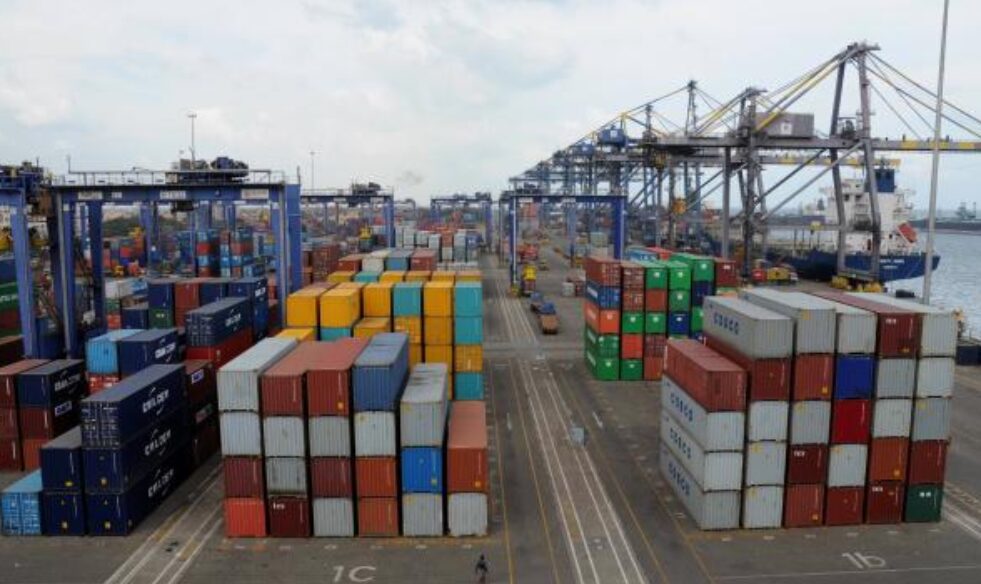
The Food and Beverages Association of Ghana (FABAG) has raised serious concerns regarding the operational status of Tema Port, directly opposing claims made by the port’s management that issues have been resolved. In a recent press statement, FABAG indicated that conditions at the port have reached a critical low, marking the worst state in over twenty years.
Representing a significant number of importers in the food and beverage sector, FABAG highlighted that the assertions made by port authorities are not reflective of the actual situation on the ground. The association noted that its members are grappling with major disruptions, with internal assessments revealing a drop in operational performance not seen in more than two decades.
According to FABAG, the discharge rates for both bulk and bagged cargo have plummeted alarmingly. Previously, vessels would unload an average of around 2,000 metric tonnes per day; however, this figure has now dwindled to approximately 200 metric tonnes, indicating a staggering decline of nearly 90 percent. This drastic decrease has had significant repercussions for importers, manufacturers, and the entire supply chain.
Contrary to claims by port management about the implementation of a 24-hour working shift to boost productivity, FABAG attributes the ongoing challenges to inadequate staffing, low morale among workers, and unresolved labor disputes that continue to hinder operational efficiency. The situation has led to longer vessel turnaround times, with ships facing extended periods at berth, sluggish cargo removal, and erratic loading schedules.
These operational delays have resulted in escalating costs related to demurrage, storage, and logistics, which are now impacting the entire supply chain. FABAG noted that several vessels currently at the port are incurring significant demurrage fees, which are likely to be passed on to importers, local manufacturers, and ultimately, Ghanaian consumers in the form of higher prices.
The association expressed alarm over what it sees as a disconnect between the official statements from port authorities and the real experiences of those using the port. FABAG emphasized that downplaying the severity of the situation only exacerbates uncertainty and undermines confidence in the port’s operations.
“The issues at Tema Port are real and require urgent attention,” FABAG stated, underscoring the port’s importance as a national asset. The inefficiencies at the port have direct implications for inflation, food security, the competitiveness of manufacturing, and the overall economic growth of the country.
The association has called for immediate and transparent dialogue involving the Ghana Ports and Harbours Authority, port management, labor unions, and key stakeholders. They also advocate for independent verification of performance metrics, such as vessel turnaround times and cargo dwell times, along with urgent actions to restore effective and predictable operations.
While FABAG is open to constructive discussions with authorities, it remains committed to voicing concerns whenever operational shortcomings threaten the sustainability of local businesses and the welfare of consumers.