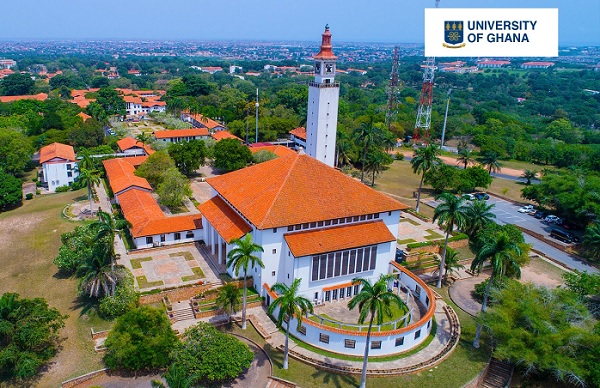
The Ghana Tertiary Education Commission (GTEC) has issued a formal directive to the University of Ghana, demanding an immediate reversal of recently announced fee increases for the 2025/2026 academic year. This decision comes on the heels of a significant uproar regarding a reported 25% hike in academic fees across various colleges within the university.
In a letter dated January 5, 2026, GTEC emphasized that public universities are bound by law to follow established procedures, including obtaining Parliamentary approval, before altering student fees. The correspondence, signed by GTEC’s Director-General, Prof. Ahmed Jinapor Abdulai, highlighted that institutions cannot unilaterally increase fees without due process.
Reacting to the backlash from students and stakeholders regarding the fee escalations, university officials previously attributed the increases to additional charges imposed by student leadership rather than decisions made solely by the university administration.
GTEC’s letter also instructed the University of Ghana to take several corrective measures: it must credit continuing students who have paid fees exceeding those of the previous academic year, reimburse final-year students for any overpayments, revert all student-related dues—including SRC and GRASSAG fees—to last academic year’s amounts, and suspend any new charges, such as the proposed 75th Anniversary dues and Development Levy, unless they were already in effect.
In reference to an earlier communication from November 3, 2025, GTEC reiterated the importance of compliance with the Fees and Charges Act, which governs how public educational institutions may manage tuition and fees. The Commission advised that no new fees for the upcoming academic year should be implemented without prior consent from Parliament.
GTEC has set a deadline for the University of Ghana to demonstrate compliance by January 12, 2026. The letter concluded with a stern warning that failure to adhere to these directives could result in substantial regulatory consequences for the institution.