
Landlords May Seek Up to One‑Year Rent Advance Under Proposed Rent Act Amendment
The Rent Control Department is considering a change to the 1963 Rent Act that would raise the maximum rent advance from six months to one year, prompting mixed reactions from landlords and tenants.
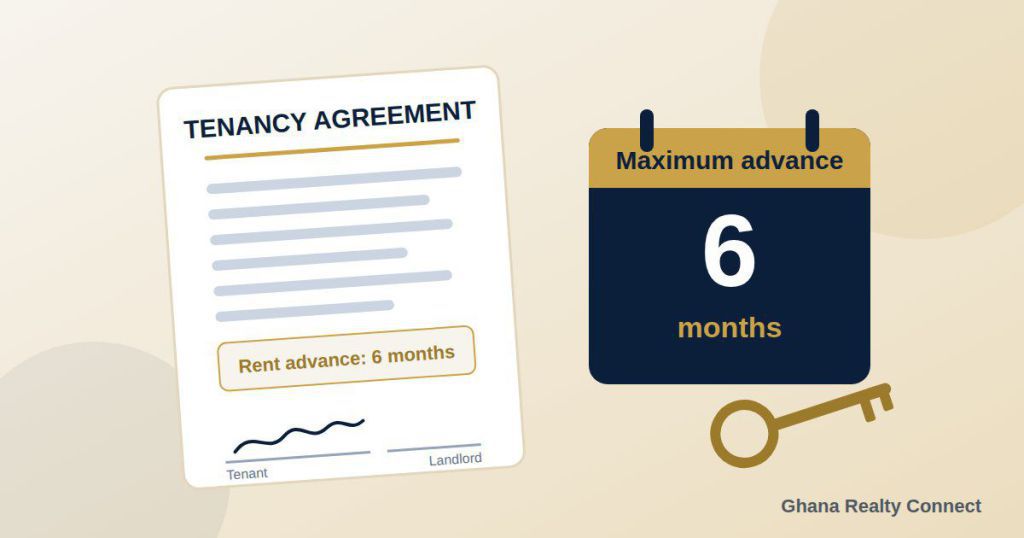
The Rent Control Department of Ghana is drafting an amendment to the Rent Act of 1963 that would allow landlords to demand up to a full year’s rent in advance for tenancies longer than six months. The proposal, outlined by Acting Rent Commissioner Frederick Opoku, comes after a series of stakeholder meetings with property owners.
Under the current law, Section 25(5) of the Rent Act caps advance payments at six months for leases exceeding that period. Opoku told JoyNews' The Probe programme on 22 November 2026 that landlords argue the existing limit does not reflect the financial pressures of acquiring, developing and maintaining rental properties. He said the amendment is intended to address “financial constraints and investments required in developing and maintaining properties”.
The National Tenants Union (NTU) has expressed concern over the suggested change. Reindolph Afrifa‑Oware, speaking for the union, questioned the need to extend the advance‑payment period while the present law is reportedly not being fully enforced. He urged authorities to first strengthen enforcement mechanisms and increase resources for the Rent Control Department to protect tenants from potential financial hardship.
Emmanuel Preko‑Boamah, representing the Voice of Landlords Association, argued that rental regulations should consider the costs associated with building, financing and upkeep. He called on the government to reduce or absorb some of the administrative charges landlords face when accessing services from the Rent Control Department.
Also read: Hiplife Legends Reggie Rockstone, Obrafour and Tic Tac Join Wendy Shay Concert
The proposed amendment has sparked a broader debate about Ghana’s housing crisis, rising rental costs and the balance between protecting tenants and ensuring landlords can sustain their investments. If adopted, the change would double the permissible rent‑advance ceiling, potentially affecting both landlords’ cash‑flow planning and tenants’ upfront financial commitments.
Stakeholders are expected to continue discussions as the amendment moves through the legislative process. The outcome will shape the future of tenancy agreements and could have significant implications for the rental market across the country.
As reported by Graphic Online, the amendment remains a proposal pending further consideration by relevant authorities.
Source: GRAPHIC ONLINE. This story was prepared with the help of AI from that reporting, and checked by our editors.




Comments
Sign in to join the conversation.