
Rice Importers May Need to Buy 50% Locally Before Getting Permits
Finance Minister Dr Cassiel Ato Forson says the government is proposing that rice importers buy local rice equal to half their planned imports before receiving permits, alongside tougher procurement rules favouring Ghanaian producers.
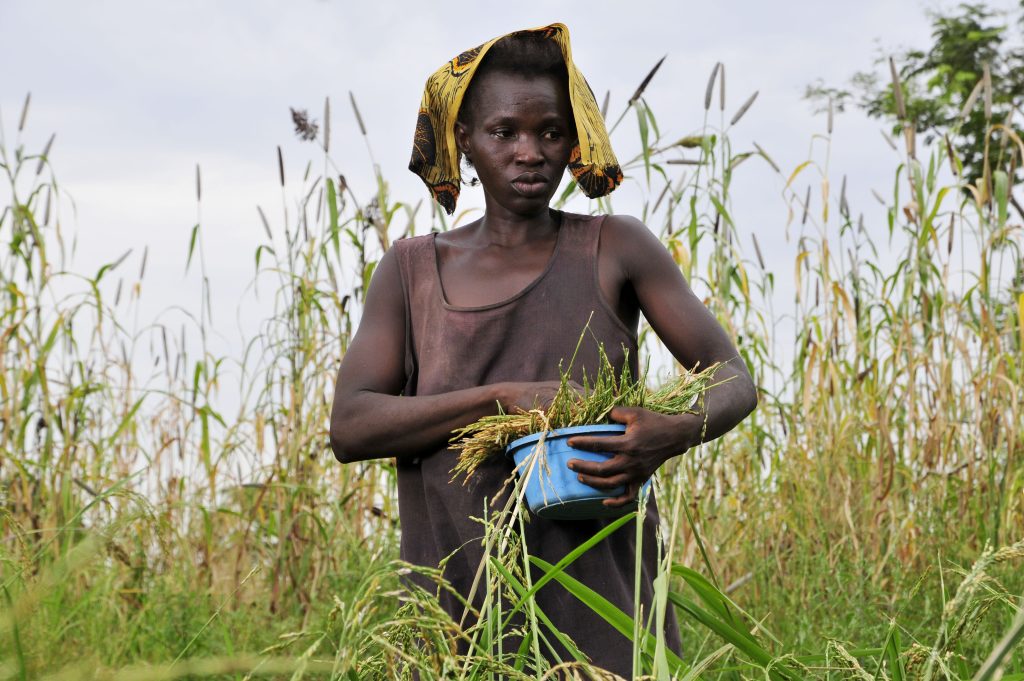
Companies wanting to import rice into Ghana could first have to buy local rice amounting to half of the volume they plan to bring in, under a policy being proposed by the government, Finance Minister Dr Cassiel Ato Forson has said.
The minister outlined the plan during an interactive session on the New Economy with students and members of the Kwame Nkrumah University of Science and Technology (KNUST) community, as first reported by Citi News.
He gave an example: an importer applying for a permit to bring in 100,000 metric tonnes of rice could be asked to provide proof that 50,000 metric tonnes had been bought from local farmers.
According to Dr Ato Forson, the proposal is aimed at cutting the country's reliance on foreign rice, giving local farmers an assured market and boosting production at home.
Also read: KKD Urges Ghana to Treat Fashion as an Engine for Tourism and Jobs
He said the government had to take deliberate steps to protect domestic agriculture and make sure that imported rice did not threaten the incomes of Ghanaian farmers.
The minister also said the government plans to tighten public procurement rules so that institutions funded by the state give priority to rice grown in Ghana. He singled out the feeding of students under the Free Senior High School (Free SHS) programme.
Dr Ato Forson said the government spends roughly GH¢4.5 billion to GH¢5 billion a year on Free SHS, with about GH¢3.5 billion of that going into feeding. He asked why, despite that level of spending, local rice farmers still found it difficult to sell their produce.
In his view, public money should be used to open up markets for local producers, so that taxpayers' funds end up supporting businesses within the country.
The minister pointed to the textile sector as another area that could gain from stronger local procurement requirements.
He questioned why uniforms for the security services were still being sourced from foreign suppliers while Ghanaian manufacturers such as Juapong Textiles and Akosombo Textiles were battling to stay in operation.
Buying locally made uniforms for the military and police, he said, would create jobs and help revive the country's textile industry.
Dr Ato Forson said the government intends to turn some of the proposed measures into law, with sanctions for individuals and institutions that breach the new procurement rules.
He described the wider goal as using government spending and trade policy to strengthen local industries, create more jobs and speed up the transformation of the economy.
Source: Citi News. This story was prepared with the help of AI from that reporting, and checked by our editors.



Comments
Sign in to join the conversation.