
Energy Commission Warns Against Using Domestic Sockets to Charge EVs
The Energy Commission cautions EV owners that charging electric vehicles via ordinary household sockets can cause overheating, fires and electrocution, urging professional installations.
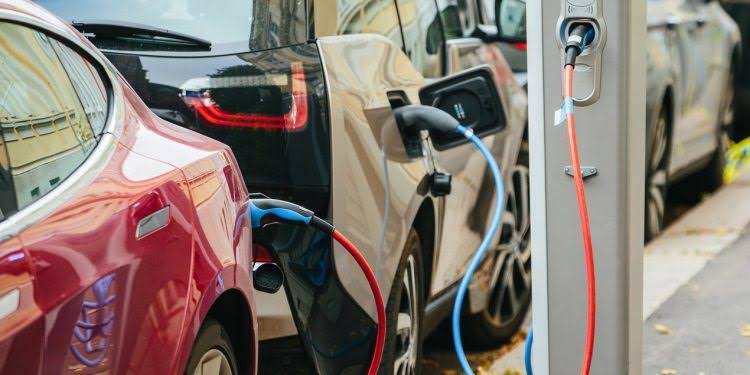
The Energy Commission has issued a warning to electric vehicle (EV) owners in Ghana, advising them not to use ordinary domestic sockets for charging. The commission says that using unsuitable electrical installations can lead to overheating, electrical fires and even electrocution.
Speaking on behalf of the commission's Chief Executive Officer at the Chartered Institute of Logistics and Transport (CILT) 2026 NextGen Summit in Accra, Mohammed Mikdad, the Head of Investment and Partnership, highlighted the need for safe charging infrastructure as EV adoption grows. He noted that electric vehicles place additional demand on the national electricity grid and cautioned that adoption should not outpace the country’s power distribution capacity and technical expertise.
"An electric vehicle is not simply another vehicle that happens to use electricity. Charging an electric vehicle through an unsuitable domestic socket or an electrical circuit that was not designed to accommodate the additional load can create serious risks, including overheating, electrical fires, and electrocution," Mikdad said.
The commission urges transport operators, fleet managers, businesses and homeowners to prioritise certified electrical installations and to engage skilled technicians for the transition to electric mobility. It also called for responsible servicing and recycling of used EV batteries.
Also read: Baah Agyemang to Seek NPP Ticket for Asante Akyem North Seat
The summit, themed “Smart Logistics, Sustainable Futures: Leveraging Digitalisation to Solve Urban Last‑Mile Challenges,” also launched CILT Ghana’s Student Membership Programme. The initiative aims to link students studying logistics, transport planning, supply chain, procurement and related fields with industry opportunities.
Alhaj Saaka Dumba, President of CILT Ghana, encouraged universities and industry stakeholders to support the programme, stating, "Our investment in young people is an investment in the future." He added that the students “hold the key to innovation, progress, and positive change” in the logistics and transport sector.
By promoting professional installation standards and encouraging the development of a skilled workforce, the Energy Commission hopes to ensure that Ghana’s shift to electric mobility proceeds safely and sustainably.
Source: Citi News. This story was prepared with the help of AI from that reporting, and checked by our editors.




Comments
Sign in to join the conversation.