
Ghana Courts Korean Investors for Auto Parts and Smart Mobility Push
The head of the Chamber of Automobile Dealership Ghana has urged South Korean firms to invest in vehicle components, electric mobility and after-sales services as Ghana seeks to become West Africa's automotive hub.
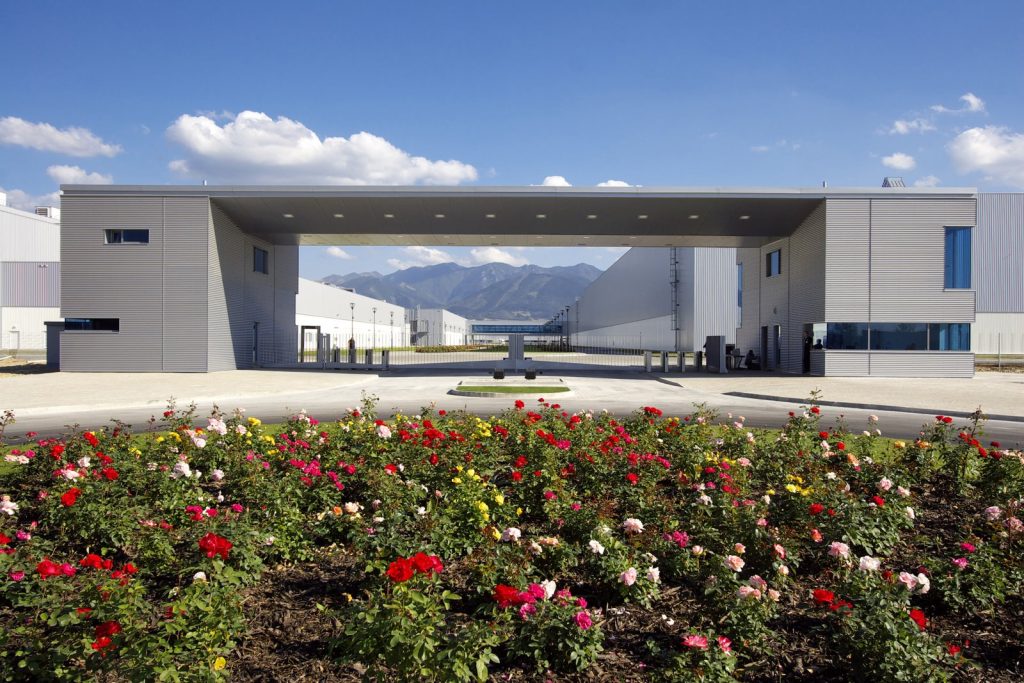
Ghana is looking to South Korean companies to help build its automotive sector, with industry leaders pitching opportunities in vehicle component production, electric vehicle technology and smart mobility.
The call came from Obrempong Nana Adu Bonsu Agyekum Prempeh, President of the Chamber of Automobile Dealership Ghana (CADEG) and Group Chief Executive Officer of Nabus Motors, at the Ghana-Korea Business Forum 2026, held at the La Palm Beach Hotel in Accra on Thursday, 5 November, as first reported by Citi News.
He told the gathering that the country's vehicle assembly programme, together with government approval of the Ghana Automotive Component Manufacturing Policy, gave Korean investors room to widen their role in the industry. He encouraged Korean firms to team up with local businesses to develop the automotive value chain.
According to the CADEG President, Korean machinery and technology could help Ghanaian suppliers reach required manufacturing standards and bid for supply contracts, particularly in parts production, technical equipment and the distribution of spare parts. He cautioned that costs and demand should be examined carefully.
Also read: KKD Urges Ghana to Treat Fashion as an Engine for Tourism and Jobs
He pointed out that Korean carmakers Hyundai and Kia already take part in Ghana's assembly programme, which he described as an existing bridge between Korean business and the country's industrial growth. The next stage, he said, should be deeper investment that boosts local production and opens doors for Ghanaian firms.
Nana Bonsu Prempeh also named electric vehicles, hybrid technology and intelligent mobility as new fields for cooperation. He said their uptake would demand spending on charging infrastructure, technical skills and after-sales capacity, and called for technology transfer and training so Ghanaian engineers, technicians and entrepreneurs could take part and gain skilled jobs.
He stressed that consumer services, including dependable spare parts, capable technicians and sound after-sales support, would shape whether investments succeed.
"A vehicle purchase begins a relationship that may last many years," he said.
Making the case for Ghana as a destination, he cited the country's political stability and economic conditions. Referring to Freedom House's 2026 assessment, he said Ghana was rated "Free" with a score of 80 out of 100 for political rights and civil liberties. He also quoted the World Bank's August 2026 Ghana Economic Update, which he said recorded real GDP growth of 6.0 per cent in 2025, while noting the need for sustained fiscal discipline and reforms.
He added that the Ghana Investment Promotion Authority (GIPA) could assist investors with setting up businesses, aftercare and resolving grievances, as well as tapping into opportunities under the African Continental Free Trade Area.
He urged the Korean delegation to deal directly with Ghanaian businesses, suppliers and possible technical partners to identify workable projects.
"Let us leave this forum with clear priorities, responsible counterparts and a timetable for the next discussions," he said.
The forum brought together business representatives from both countries to explore commercial partnerships and investment, with a focus on automotive manufacturing and smart mobility.
Source: Citi News. This story was prepared with the help of AI from that reporting, and checked by our editors.




Comments
Sign in to join the conversation.