
GNACOPS Supports Two‑Year BECE Ban for Early Candidates, Calls for Grading Review
The Ghana National Council of Private Schools backs the ministry’s two‑year ban on early BECE candidates and urges an independent review of grading disparities.
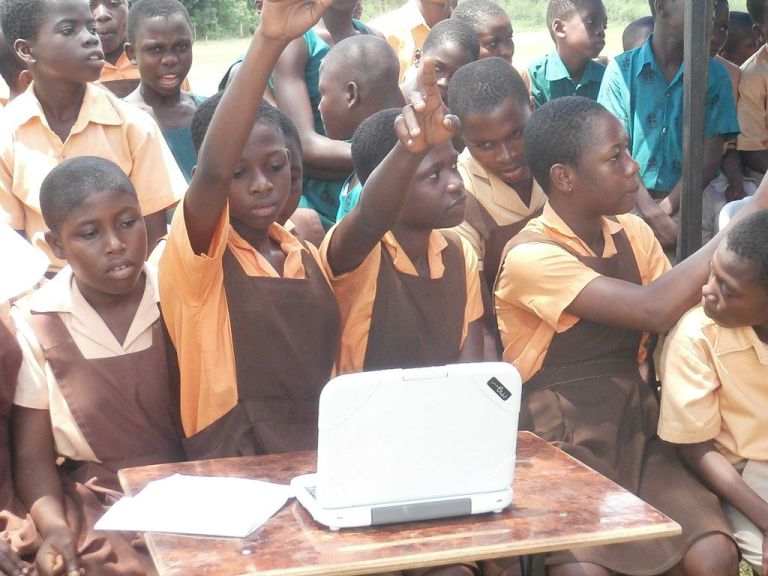
The Ghana National Council of Private Schools (GNACOPS) has publicly endorsed Education Minister Haruna Iddrisu’s decision to impose a two‑year ban on Junior High School One and Two pupils who sit the Basic Education Certificate Examination (BECE) early. In a statement released on 23 November 2026, the council said the measure is essential to protect the integrity of national examinations.
GNACOPS, represented by Governing Council Member Obenfo Nana Kwasi Gyetuah, stressed that “Education is a process, not a shortcut,” insisting that even academically gifted pupils should complete the full curriculum before attempting the exam. The council warned that some schools and parents attempt to bypass eligibility rules by registering pupils prematurely or manipulating continuous assessment records.
“Where records are fabricated or improperly substituted, the problem ceases to be mere acceleration; it becomes an issue of examination integrity,” the statement read, adding that any such practices undermine public confidence in the examination system.
The council also highlighted recurring complaints from private‑school stakeholders about disappointing BECE results and perceived grading disparities when compared with candidates’ prior academic performance. It called on the West African Examinations Council (WAEC), the Ministry of Education and the Ghana Education Service (GES) to conduct an independent technical review of BECE outcomes across both public and private schools. The review should consider candidates’ previous performance, subjects, districts and other relevant factors.
Also read: EC Calls for Early Release of 2027 Budget to Prepare for 2028 Elections
GNACOPS further urged clarification of the public‑school placement quota under the Computerised School Selection and Placement System (CSSPS). It noted conflicting information about the Category A reservation, which was said to have shifted from 30 % to 15 % in 2025 before later reports reverted to 30 %.
While acknowledging the need for affirmative measures for underserved communities, the council argued that placement policies must target genuine socioeconomic disadvantages rather than create a perception that private‑school pupils are penalised. It warned that uncertainty around results and placements could increase parental anxiety and encourage premature BECE registration.
Among its recommendations, GNACOPS called for uniform enforcement of eligibility rules, publication of examination and placement statistics by school category, periodic independent audits and stronger collaboration between education authorities and private‑school representatives. It also urged that socioeconomic circumstances, geographic location and school‑level deprivation be factored into equitable placement designs.
“Rules must be firm; opportunities must be fair; decisions must be transparent. That is how trust is rebuilt. That is how educational integrity is defended,” the council concluded, offering cooperation with the Ministry, WAEC and GES to implement the new controls. The statement was first reported by Citi News.
Source: Citi News. This story was prepared with the help of AI from that reporting, and checked by our editors.




Comments
Sign in to join the conversation.