
TOR Expansion Could Bring Cheaper Fuel and Regional Exports, Says Deputy MD
The Tema Oil Refinery's deputy managing director says expanding the refinery could lower fuel prices for consumers and allow Ghana to supply markets across the Sahel.
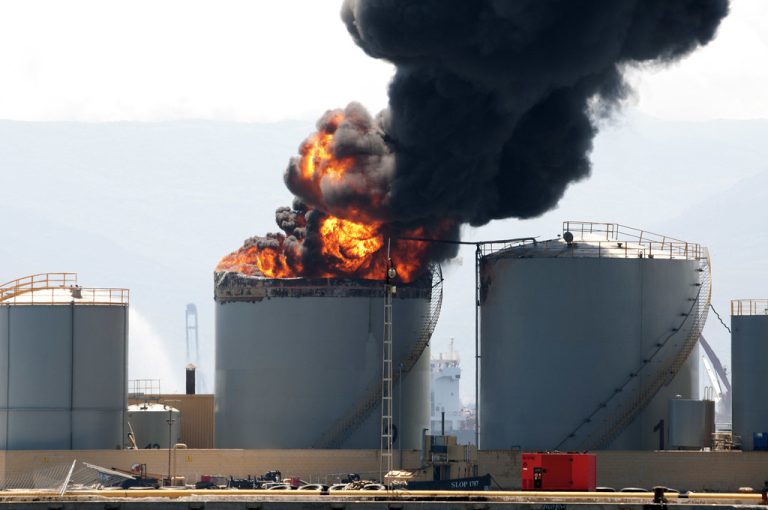
Expanding the Tema Oil Refinery (TOR) could bring down fuel prices for Ghanaian consumers and open up export opportunities in the Sahel, a senior official of the refinery has said.
Alhaji Mustapha Batalima Abubakar, Deputy Managing Director of TOR Ltd., said the company is working on plans to raise its refining capacity so that it can make good-quality petroleum products more widely available at a competitive cost.
"Our aim is to provide quality petroleum products at cheaper prices to consumers," he said.
He was speaking in Accra on November 5, 2026, at the Ghana Petroleum Downstream Policy Forum, which was organised by the Africa Centre for Energy Policy (ACEP), as first reported by Citi News.
Also read: KKD Urges Ghana to Treat Fashion as an Engine for Tourism and Jobs
Alhaji Abubakar called for a specific funding arrangement to be put in place for the expansion. He argued that a larger refinery would be better placed to keep up with rising fuel demand at home while also supplying neighbouring countries.
According to the deputy managing director, TOR has refined roughly five million barrels of crude oil to date. He said the refinery is the sole producer of Ghana's premix fuel, also supplies aviation fuel, and sustains thousands of jobs, both directly and indirectly.
He said bringing the refinery back to full operation would generate more jobs, with young engineers and graduates with technical training among those expected to benefit most.
On that basis, he appealed to the government, regulatory bodies and civil society groups to keep backing efforts aimed at returning TOR to its full operational capacity.
The ACEP forum gathered policymakers, regulators, industry participants and civil society representatives for discussions on regulatory reform, fiscal arrangements and policy measures intended to bolster the country's downstream petroleum industry.
Source: Citi News. This story was prepared with the help of AI from that reporting, and checked by our editors.




Comments
Sign in to join the conversation.